Future-Proof Library Design Strategies
C2AE’s Dennis Jensen, AIA, and Chloe Aalsburg, Associate IIDA, delivered the following presentation at the Michigan Library Association’s Think Space event on May 24, 2024.
Are physical libraries going to disappear? The short answer: No! But they will continue to evolve to meet the changing needs of library patrons, just like they’ve always done over the years.
As designers, we don’t have a reliable crystal ball to predict the future, but we can lay the groundwork for long-lasting library design by asking some important questions. If you’re a library director wondering whether your library will stand the test of time, here is an overview of the design features that can serve as a litmus test.
1. Adaptable Structure & Furniture
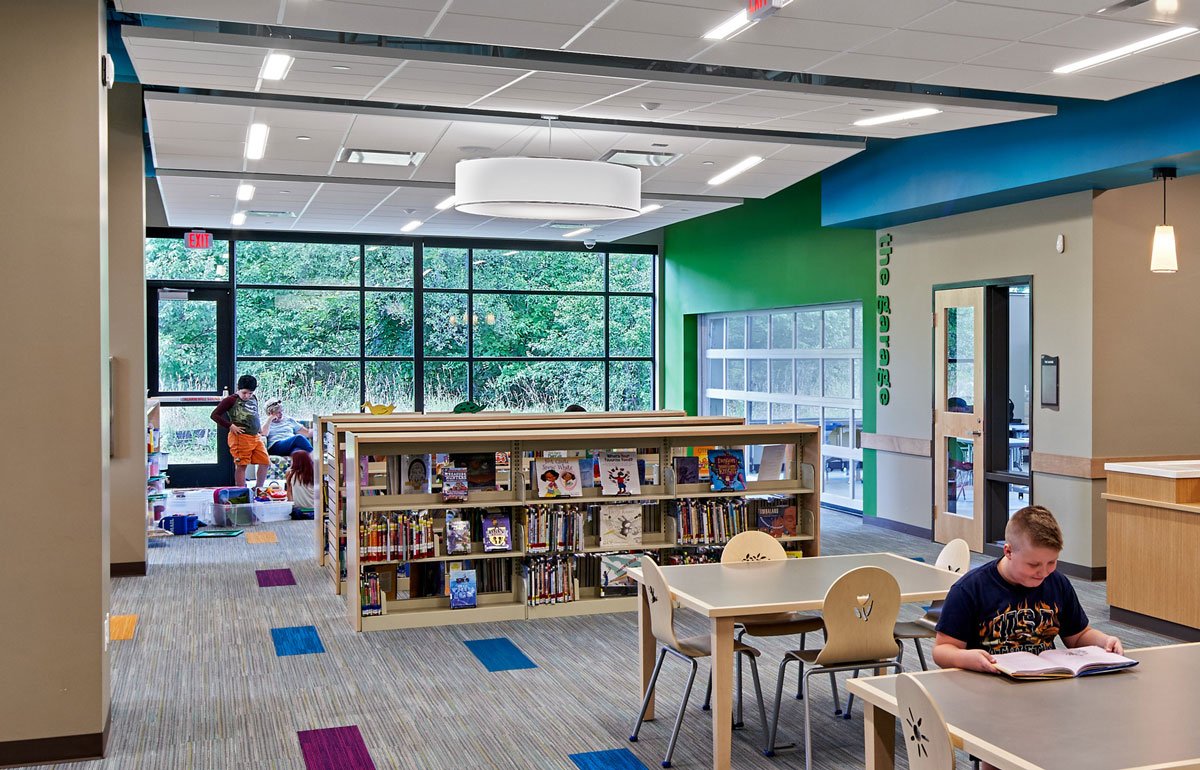
The one constant we can depend on is that libraries will evolve; therefore, adaptability is crucial. Libraries must be easy to transform, no matter what the future holds. In adaptable buildings, you’ll find that small rooms are situated along exterior walls to maintain a large, open floor plan to the greatest degree possible. For the same reason, removable or retractable walls separate multi-functional meeting rooms. Furniture is modular and mobile to keep space versatile. Shelves are independent of light fixtures and placed on casters, allowing them to be pushed to the side when programming calls for more space.
2. Gathering Areas
The pandemic blurred the line between the workplace, the classroom, and the home. Now the library is serving as a comfortable cross-section of all three: a place where anyone can work, learn, and relax. From kids to retirees (imagine perhaps a grandchild and grandparent visiting the library together), patrons want to find a living room-style space where they can stay a while and focus on something. Soft seating and fireplaces are becoming more common features in gathering areas like these.
3. Support for Advancing Technology
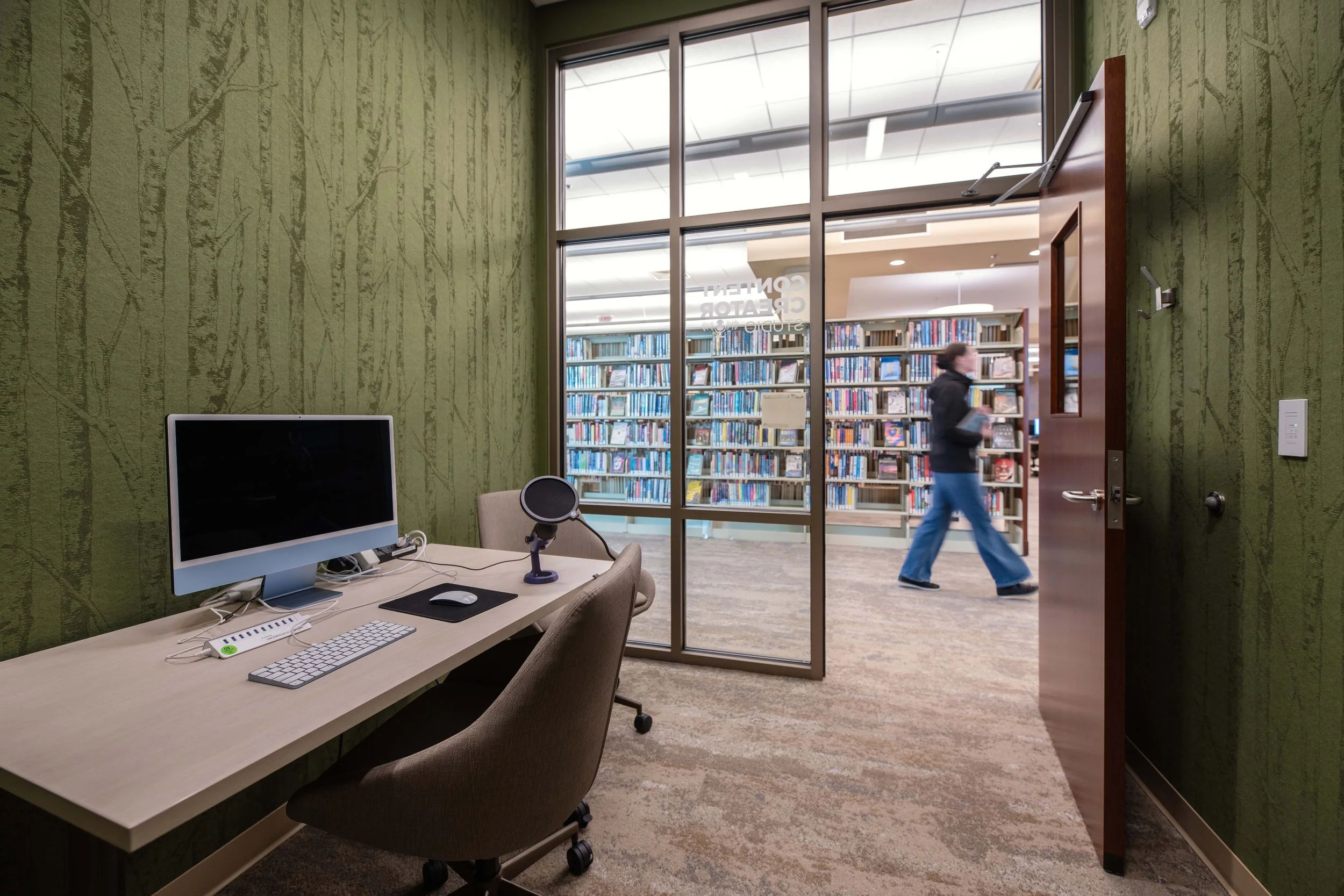
Technology continues to advance exponentially. Libraries built in 2024 offer rentable laptops, digital content streaming, gaming rooms, maker spaces, and virtual reality (VR) resources. RFID tags have revolutionized library resource management. What’s next? We may not know what libraries will offer in five years, but we do know that some libraries are better suited to change than others. A great example of a valuable upfront investment that can make your building more adaptable is raised flooring. By elevating your flooring system a few inches above your concrete subfloor and running mechanical and electrical systems through the gap, future changes to your library layout will be much simpler. With little effort, any room in your building could support new technology.
4. Harmony with the Local Environment
Sustainability has been a priority for most public libraries for many years now. More recently, C2AE’s designers have focused their efforts on harmonizing each building with its local climate and environment rather than using extraordinary, often energy or resource-intensive designs to conquer them. Common features for practical sustainability include reduced carbon emissions, LED lighting, and increased air exchanges, all the way up to LEED certification and carbon neutrality. What matters is finding the right solution for your ecosystem, your users, and your budget.
5. Biophilic Features
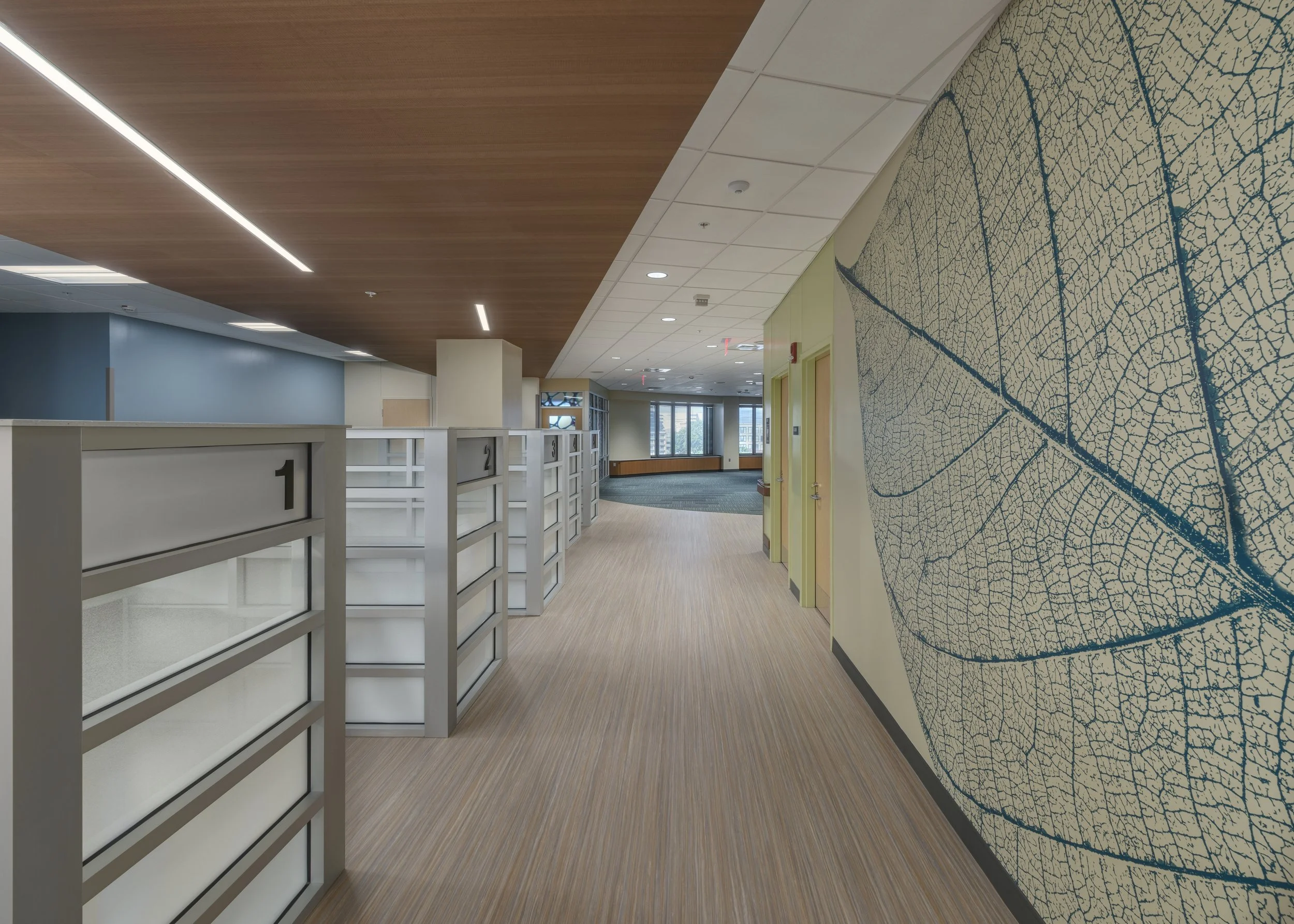
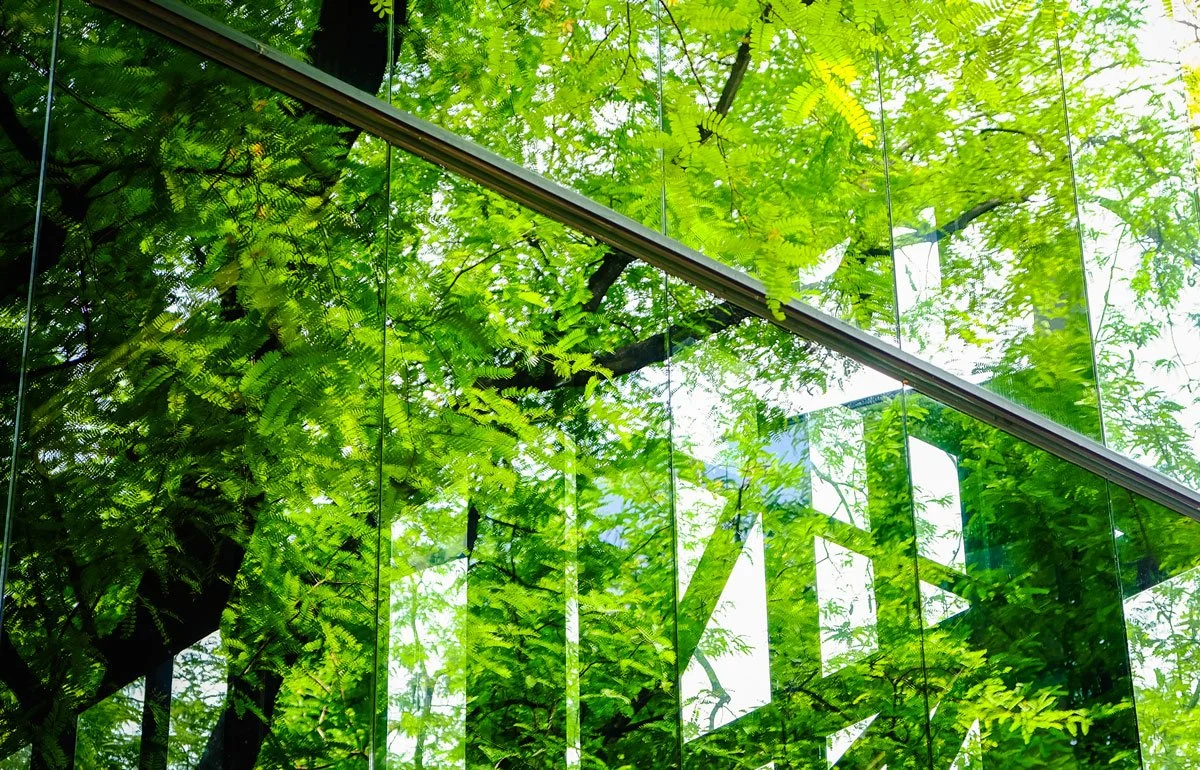
Bio is Greek for “life” (specifically, natural life). Philic is Greek for “loving.” Therefore, biophilic spaces celebrate natural life. Libraries with abundant biophilia feature windows, plants, natural materials like stone and wood, and colors or textures that reference the natural world. Biophilic design won’t go out of style for many reasons. For example, it’s proven to make users feel happy, calm, and relaxed. In addition, maximizing exposure to daylight can enhance learning speed by more than 25 percent. Experiencing nature can foster emotional attachment, meaning biophilic libraries inspire a sense of ownership and drive up bond votes.
There are many more characteristics to explore when it comes to building a future-proof library, but the most important thing to consider is your unique community. In your library, is there a space where parents can find a comfortable chair and read to their kids? Do you offer a noisy learning lab where teens can learn to write code? Is there a career center where job seekers can build their résumés? If you’re ready to assess how well your building is serving your community, reach out.
Sources:
Community Building: For Modern Libraries, Bringing People Together Is Fundamental
Future-Proofing Libraries Through Flexible Design
Libraries Aren’t Just Libraries Anymore: Planning & Design for A Public Building’s Changing Role
Public Library Facilities for the Future
Biophilic Design for Libraries: Integrating and Referencing Nature to Create More Human-Centered Spaces
Biophilic Library Design
Biophilic Library Design Materials and Patterns
What Is and Is Not Biophilic Design