Should Your District Consolidate Buildings? A Strategic Perspective from an Architecture & Engineering Partner
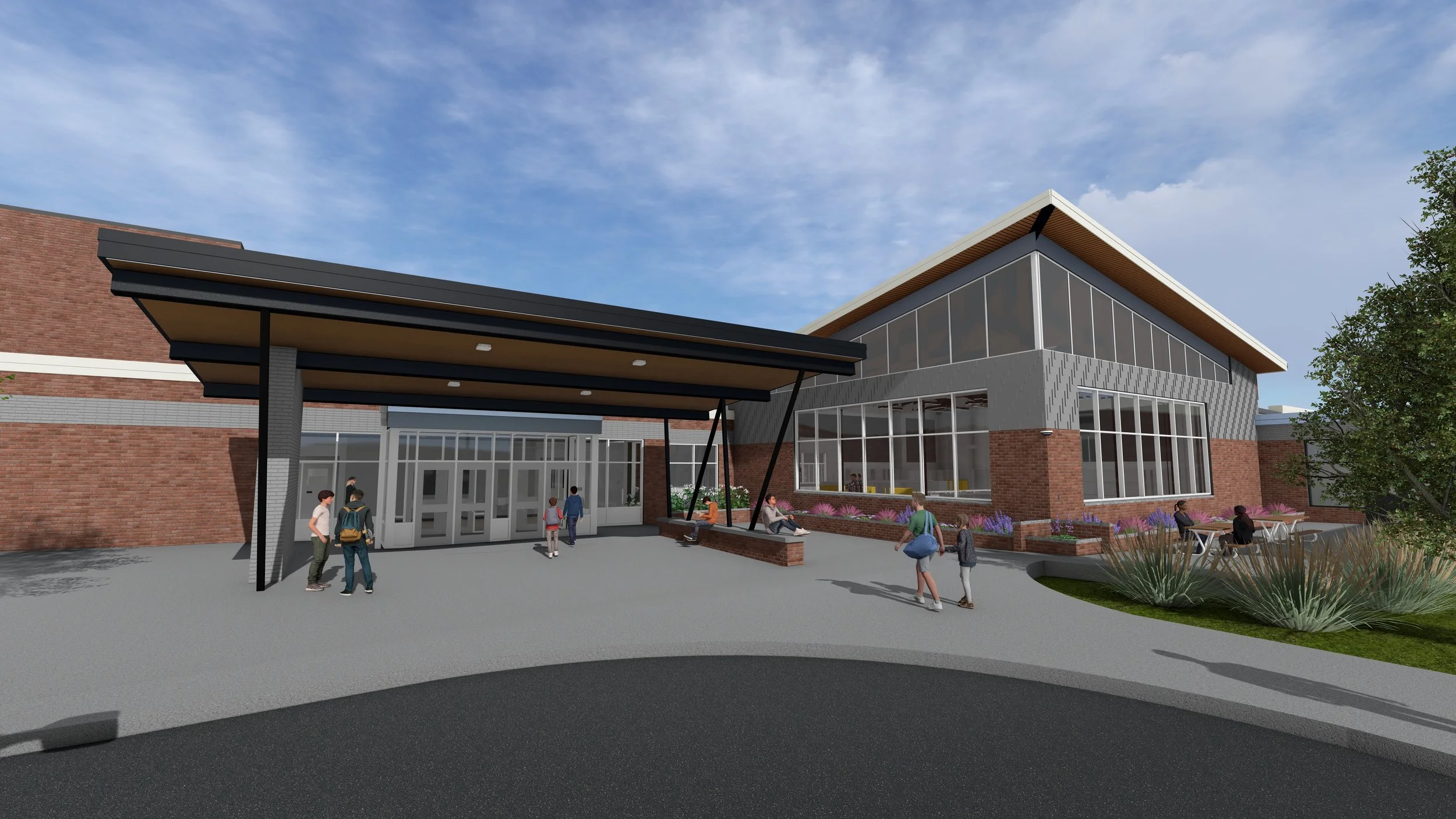
Across the country, school districts are facing a familiar challenge: how to maintain high‑quality learning environments while navigating shifting enrollment, aging facilities, rising operational costs, and community expectations. One solution that often surfaces—but can feel overwhelming to pursue—is the idea of consolidating buildings.
At C2AE, An AtkinsRéalis Company, we routinely help districts evaluate this decision through data‑driven facility assessments, community‑centered planning, and long‑term capital strategies. Based on our recent Building Consolidation Study with Union City Community Schools, here’s an inside look at what districts should think about as they consider consolidation.
1. Key Factors Districts Should Evaluate
Before any discussion of consolidation can happen, districts need a clear understanding of their current conditions—operational, financial, and educational. We guide districts through evaluating:
Enrollment Trends Shifts in student population can create inefficiencies when buildings designed for higher capacity remain in use despite declining enrollment.
Financial Realities Multiple small buildings each require maintenance, administration, and support staffing. Inflation and post‑COVID cost increases have widened the financial gap between operating fewer versus more facilities.
Facility Condition In Union City’s study, three academic buildings scored in the “borderline” range on our 100‑point Facility Condition Scale, indicating that major capital investments are on the horizon. In contrast, a newer fieldhouse scored significantly higher and offers an asset worth retaining or expanding.
Programmatic Needs Modern learning environments demand updated amenities, flexible spaces, and adequate resources to support evolving curriculum and student services.
Transportation Logistics Bus routes, ride times, and transportation capacity must be evaluated to maintain equitable access.
Staff Certifications & Support Resources Consolidation can affect how teaching staff is distributed and how specialized services are delivered.
These factors together form a holistic picture, helping districts identify whether consolidation is a strategic opportunity or a long‑term necessity.
2. Communicating With Your Community—The Right Way
Even the most well‑reasoned plan succeeds or fails based on community engagement. For districts, transparency builds trust—and trust builds support.
Early Communication Bringing the community into the process early prevents misinformation and fosters collaborative problem‑solving.
Transparency Sharing data, facility assessments, and financial projections helps stakeholders understand the “why” behind consolidation discussions.
Meaningful Engagement Forums, surveys, presentations, and conversations give families, staff, and residents a voice in shaping the future of their schools.
Our role is to help districts present information clearly, answer tough questions, and ensure the community is fully informed, using the feedback given, before decisions are made.
3. What It Takes to Consolidate Successfully
For consolidation to move forward, several success factors must align:
Board and Committee Consensus Leadership must be unified and prepared to champion the plan.
Community Support Voters and stakeholders need to see the long‑term benefits.
Funding Strategy Districts often rely on bonds for capital improvements. In Union City's case, a sinking fund supported smaller past projects, but the scale of renovations required points to bond funding as the most viable path.
The State of Michigan’s grant program for operational efficiency studies provides a unique opportunity: if the study demonstrates meaningful improvements, grant funding may be available to support implementation.
Educational Benefits Consolidation isn’t only about cost savings—it can expand student opportunities. Larger combined populations allow for more robust programs, electives, and extracurriculars that smaller standalone buildings may struggle to support.
4. A Real‑World Example: Union City Community Schools
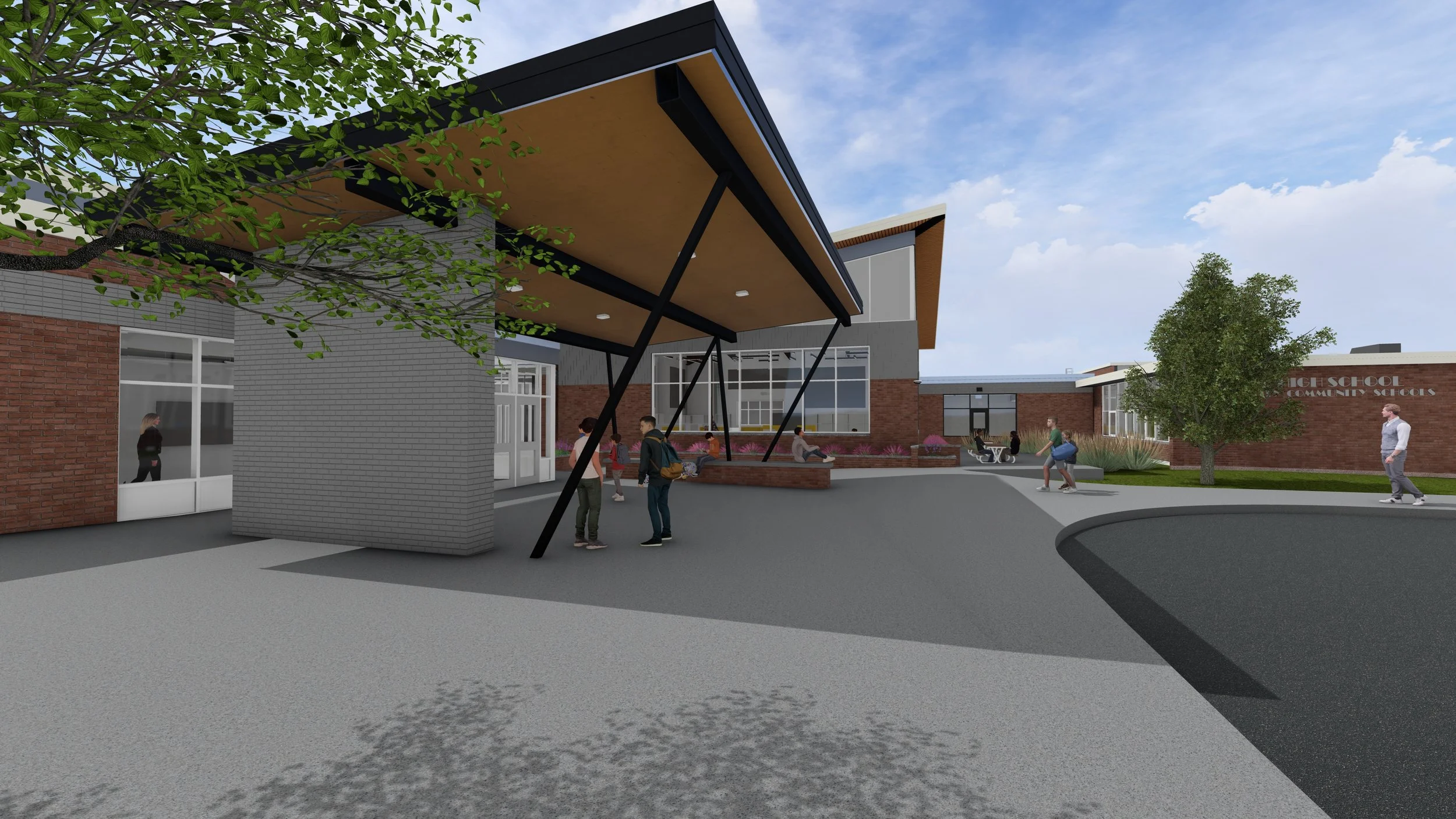
Union City’s consolidation study examined multiple options to modernize facilities and optimize operations. One option—Option 4—demonstrated a balanced approach:
Expand and renovate the elementary school to serve grades K–5
Renovate the high school to include grades 6-12
Demolish the aging middle school
Retain and potentially enhance the high‑performing fieldhouse
Estimated project cost: $42.8 million
This option maintains community identity while improving operational efficiency and creating modern, future‑ready learning environments.
Helping Districts Plan for the Next Generation
Building consolidation is not a simple decision. It requires rigorous analysis, community partnership, and thoughtful design. But when done well, it positions a district for decades of educational and financial stability.
C2AE is committed to guiding districts through this process—from facility assessments to community engagement to design and implementation—ensuring every decision serves both students and the broader community.
If your district is beginning to explore consolidation or considering a facility study, our team is here to help.
Below is a document from the Michigan Department of Education with more information on school consolidation and infrastructure grants: