Designing Manufacturing Plants for Employee Retention
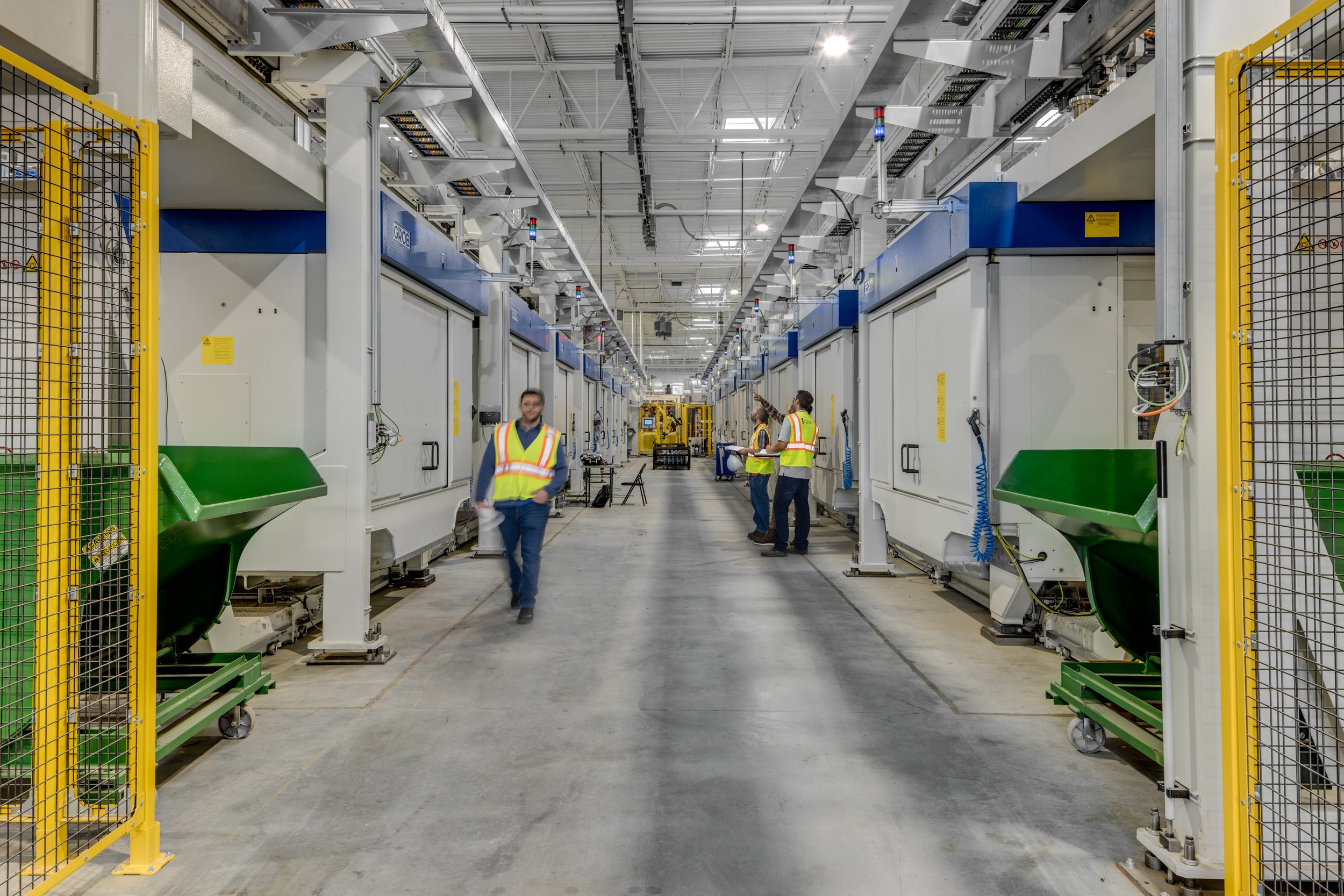
Plant managers know that long-term employees are more efficient, versatile, and independent than new recruits. Unfortunately, with experts forecasting 2.1 million unfilled manufacturing jobs by 2030, finding and keeping employees continues to present a major challenge for plants across the country.
With the passage of the CHIPS and Science Act and ongoing supply chain onshoring, more manufacturing plants will surely come to the U.S. in the coming years. While this is exciting news for the U.S. economy, the job market is likely to become even more competitive for manufacturers to recruit plant workers at all levels. So, what can manufacturers do to keep employees returning to your business, day in and day out?
Here are some practical solutions to improve your plant environment, increase employee quality of life, and ultimately improve retention. The key is that not all improvements need to be capital-intensive to make a real impact!
The Shop Floor
Manufacturing plants often experience high rates of turnover among shop floor workers. Employers can mitigate this by paying close attention to the negative aspects of the manufacturing process. Some examples include:
Air Quality
Though improving air quality can sometimes be a significant investment, it is crucial for employee health and well-being. Explore options like evaporative cooling systems, local cooling units, or high-volume, low-speed (HVLS) fans to regulate temperature and improve airflow. This of course is especially important during hot summer months or in areas where furnaces or other energy-intensive processes exist. Investing in weld exhaust and dust collection systems will also improve air quality and maintain a cleaner and healthier working environment. In some cases, our engineers can simply rebalance existing plant air handling systems to improve their performance. Controlling where, when, and how much outside air is introduced can improve air quality using existing systems while increasing the efficiency of current smoke or dust exhaust systems.
Noise
Some manufacturing areas can be inherently noisy. For manufacturing and quality engineers who work on the shop floor, small, enclosed, sound-reduced work areas make a difference. For a particularly noisy process, noise-canceling guards, covers, or engineered walls can be installed. Where these options are not possible, some employers provide noise-canceling headphones to employees working in loud areas.
Lighting
Introducing natural light into facilities can greatly enhance the work environment. By adding skylights, for example, manufacturers can create brighter and more desired work areas for employees. Additionally, applying specially designed reflective coatings to floors and surfaces can increase the overall brightness of manufacturing areas. These coatings help push light through the workspace, making it feel more spacious and energizing. Although these alterations have upfront costs, they will often lower your plant’s energy expenses and over time become more sustainable as compared to full artificial lighting.
Helping Skilled Trades & Shop Floor Support
From equipment maintenance personnel to robot technicians and controls engineers, skilled trade workers and shop floor support professionals are some of the most important players in your facility. With fluctuating demand, supplier delivery misses and unplanned downtime, it’s no surprise that these professionals tend to be overworked just keeping your processes productive. Considering the usual need for significant training and the long list of skills required to successfully fill one of these positions, retaining skilled trade workers and support professionals should be a top priority. So how can we help them get through the day a bit more on the upside?
Breakroom Locations
Is your lunchroom or breakroom too far from the areas where key employees work? Some companies use smaller, distributed satellite break areas. These areas allow small groups of workers to get to a break area quickly and enjoy more of their break time. These satellite areas are well equipped with items such as refrigerators, microwaves, sinks, coffee, and hot water machines.
Access to What’s Needed
Having all the supplies needed to repair equipment at or near your workstation is not just efficient, it eliminates the frustration of having to leave the area to hunt down a tool, certain supplies, or even common spare parts. Some manufacturers use specially designed portable toolboxes. These rolling toolboxes are carefully stocked with the tools required to complete most repairs on equipment promptly. Some plants even create “mini cribs” that store common motors, sensors, and switches near the production line.
Equipment Reliability
How effective is your asset management and preventive maintenance system? Does your company proactively plan the replacement of aging assets at your manufacturing site? How about your IIOT or industry 4.0 data? Are you making your maintenance system “smart” by using cycle-based or even statistical process control tools to trigger timely maintenance and prevent unplanned equipment downtime? Having your maintenance team constantly repair worn-out or obsolete equipment is not only bad for profits, but it is also incredibly demotivating. Consider a proactive approach to asset management, especially planning for replacement. Make an affordable capital plan where equipment is replaced before it’s a drag on your skilled trades team. This is a great way to maintain production while improving safety and morale.
Focus on Continuous Improvement (CI)
Human nature is to never be satisfied—to constantly seek improvement. A surefire way to boost employee morale is by improving everything from safety and quality to delivery and cost. Companies that allow employees to take some time to participate in continuous improvement and quality workshops see a rise in employee morale. Being a member of a CI team and learning how to solve problems together is extremely powerful. It not only helps employees get through today’s challenges, but it provides hope and confidence that a better future can be created within the company.
Dedicated Quality & CI Spaces
Small rooms on or near the shop floor can be effective at helping employees work together and use problem-solving tools. These dedicated spaces are used to determine the root cause of a problem and develop effective countermeasures. With highly visible work areas for this activity, employees (and customers) see that your company is serious about improvement and that it knows the importance of involving those that are closest to the problem. The underlying message communicates that leadership fully believes in their team members to make the company successful. What a motivator that is!
Shop Floor Organization
A well-organized shop is an important first step toward improved safety and efficiency. It also directly impacts employee morale at all levels of the company. Are you confident in showing off your shop to customers or potential job candidates? If the answer is not a resounding yes, I’m confident you can make a positive impact with a 5S initiative. As you may know, 5S is a process that is just one part of the Toyota Production System. 5S is based on five pillars: Seiri (Sort), Seiton (Set in Order), Seiso (Shine), Seiketsu (Standardize) and Shitsuke (Sustain). If done in order and as a team, 5S is a proven method to improve the shop floor. Your employees will have a safer work environment and can quickly locate tools or key items. Your shop will be visually appealing and become a more satisfying workplace!
Other Considerations
There are many other things your plant can do to improve the employee experience and therefore boost retention, including:
Optimal Office Layout
Many of your salaried non-hybrid employees spend all day in offices to support key areas of the business. Consider the importance of functionality and ergonomics of workstations and the overall geography of the office. Are departments that need to frequently collaborate near each other? Are there department-based organizational silos that need to be broken down? Understanding employee “traffic flow” can help break down barriers to communication and teamwork. For example, interdepartmental intersections can be set up with standup meeting areas or coffee break stations where team members intermingle and strengthen relationships.
Main Street
How much does your shop floor and office staff interact? Is it enough? Is there a way that this can naturally happen? Overall operations benefit when everyone gets to know each other better, realizing they are one team. C2AE helps companies create “main street” corridors that traverse the length of the building and connect the office area to the production area. This inviting, open space creates visibility into each work area, such as the office and shop floor. Standup meeting tables are placed so employees can gather to catch up over a cup of coffee or discuss work topics and improvements. These spaces facilitate open communication and lasting friendships across all levels of the company. With some good branding across the walls or in the area, it is an impressive sight for customers to see on company tours.
Off-work Spaces
What condition are your restrooms, locker rooms, and break areas in? It’s often easy to forget about these spaces; however, employees use them several times a day. While working as a plant manager, I once had a key automotive OEM insist on touring these areas. Why? To understand how we treated employees. Certainly, that customer understood the importance of these areas to employee morale, productivity, and even our focus on quality.
Outside Areas
Have you considered outdoor eating areas with picnic tables or even outside game areas? How about a nice walking path around your facility? These areas allow employees to enjoy the weather, improve their health, and build stronger relationships with coworkers over a friendly game or a chat on the walking path. Can you change your outside space to one where employees want to be during lunch break versus perhaps running to their cars? Some companies are even planting trees and shrubs along their walking paths. This not only creates a pleasing environment but also supports the company’s sustainability plans.
Balconies
Some companies have second-floor office areas. These overlooked areas should instill a sense of pride among employees while creating an impressive view for recruiting candidates, suppliers, and especially customers. What a great way to showcase your operation while highlighting how proud the company is of the capabilities of its team!
Branding and Aesthetics
Invest in the aesthetic appeal of your facility by refreshing the appearance with paint, branding elements, and well-maintained surroundings. A visually pleasing and well-maintained environment reflects positively on the organization, enhances the employee experience, and fosters a sense of pride in the workplace. Employees can easily see that they are part of an impressive company and that they’re part of a greater companywide team.
As you can see, there are many ways to create a pleasing, productive, and effective work environment. These options can not only help to retain employees with a better quality of life, but they can stand out to potential hires and customers all at the same time. When you’re ready to take the next step, reach out to C2AE for guidance and we’ll help you determine which options are best for you. We are excited to get started!